



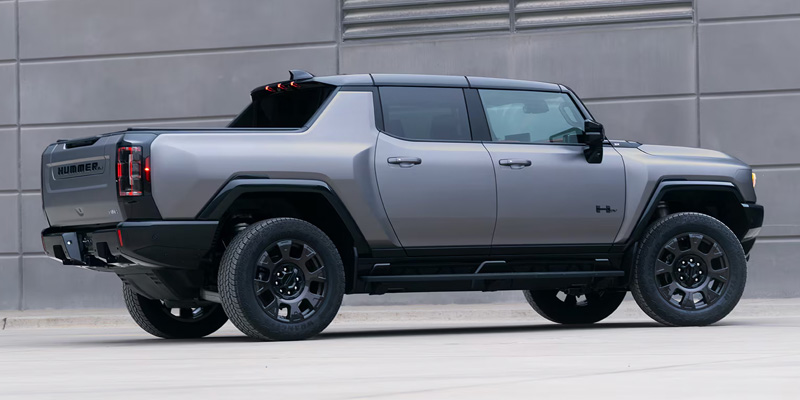
The automotive industry is going through one of the biggest transformations in its history. For more than a century, gasoline-powered vehicles have dominated roads around the world. Today, however, electric vehicles (EVs) are becoming increasingly popular as automakers introduce new technology and drivers look for more efficient transportation options. While both electric and gas vehicles offer their own advantages, understanding how they differ can help drivers choose the vehicle that best fits their lifestyle and driving habits.
How Gas Vehicles Work
Gasoline vehicles use internal combustion engines that burn fuel to generate power. When gasoline is ignited in the engine, it creates small explosions that move pistons and ultimately turn the vehicle’s wheels. This technology has been refined over decades, making gas vehicles highly reliable and widely available.
One of the biggest advantages of gas-powered vehicles is their convenience. Gas stations are located almost everywhere, and refueling typically takes only a few minutes. This makes gasoline vehicles especially appealing for drivers who frequently travel long distances or need the flexibility to refuel quickly.
Gas vehicles are also known for their strong towing capabilities and consistent performance in demanding conditions. Pickup trucks and SUVs powered by gasoline engines are often preferred for towing trailers, hauling heavy loads, or navigating rugged terrain. Additionally, gasoline vehicles usually have a lower initial purchase price compared to many electric vehicles, making them more accessible for some buyers.
However, gas vehicles do require regular maintenance such as oil changes, spark plug replacements, and transmission servicing. Over time, these maintenance costs can add up.
How Electric Vehicles Work
Electric vehicles operate using electric motors powered by rechargeable batteries instead of gasoline engines. When the driver presses the accelerator, electricity from the battery powers the motor, which then turns the wheels. Because electric motors have fewer moving parts than combustion engines, EVs generally require less mechanical maintenance.
One of the most significant benefits of electric vehicles is efficiency. EVs convert a higher percentage of energy into actual movement compared to gas engines, which lose much of their energy through heat. This efficiency often results in lower operating costs for drivers, especially when electricity prices are lower than gasoline prices.
Another advantage is the smooth and quiet driving experience. Electric motors deliver instant torque, meaning power is available immediately when the accelerator is pressed. This results in quick acceleration and a very responsive driving feel.
Electric vehicles also produce zero tailpipe emissions, which makes them appealing for drivers who want to reduce their environmental impact. Many governments and local communities encourage EV adoption through tax incentives and charging infrastructure investments.
Charging vs Refueling
One of the biggest differences between electric and gas vehicles is how they are powered.
Gas vehicles require gasoline, which is pumped into a fuel tank at gas stations. The process is quick and familiar to most drivers.
Electric vehicles, on the other hand, must be charged. Charging can happen at home using a wall outlet or a faster Level 2 charger, or at public charging stations that provide higher-speed charging. While home charging is convenient for many EV owners, long-distance travel sometimes requires planning around available charging stations.
The good news is that charging networks are expanding quickly, making EV ownership easier than ever before.
Maintenance and Operating Costs
Maintenance requirements are another major difference between gas and electric vehicles.
Gas vehicles include many moving components such as engines, transmissions, exhaust systems, and fuel systems. These components require periodic maintenance and occasional repairs.
Electric vehicles have fewer moving parts and do not require oil changes, fuel filters, or many traditional engine services. As a result, EV owners often experience lower maintenance costs over time.
Fuel costs can also differ significantly. Electricity generally costs less per mile than gasoline, especially when charging at home during off-peak hours. This can result in long-term savings for drivers who travel frequently.
Driving Range and Practicality
Driving range is often a key factor when comparing electric and gas vehicles.
Gas vehicles typically have ranges between 350 and 500 miles on a full tank of fuel. Refueling takes only a few minutes, allowing drivers to quickly continue their journey.
Electric vehicles have improved dramatically in recent years. Many modern EVs now offer ranges between 250 and 400 miles on a single charge. While charging times vary depending on the charger used, fast-charging stations can replenish a significant portion of the battery in under an hour.
For many drivers, especially those who commute shorter distances daily, EV range is more than sufficient for everyday use.
Which Vehicle Is Right for You?
Choosing between an electric vehicle and a gas vehicle depends on several factors, including driving habits, budget, and access to charging infrastructure.
Gas vehicles may be the better choice for drivers who frequently take long road trips, tow heavy loads, or prefer the familiarity of traditional refueling.
Electric vehicles may be ideal for drivers who want lower fuel costs, reduced maintenance, advanced technology, and a more environmentally friendly way to drive.
As technology continues to advance, both types of vehicles are becoming more efficient, reliable, and capable.
The Future of Driving
The future of the automotive industry will likely include a mix of gas, hybrid, and electric vehicles. Automakers are investing heavily in electric technology, while still improving the efficiency and performance of gasoline engines.
For today’s drivers, this means more choices than ever before. Whether you prefer the proven capability of gas vehicles or the innovative efficiency of electric vehicles, there has never been a better time to explore the options available and find the vehicle that fits your needs.
Connect with us

